

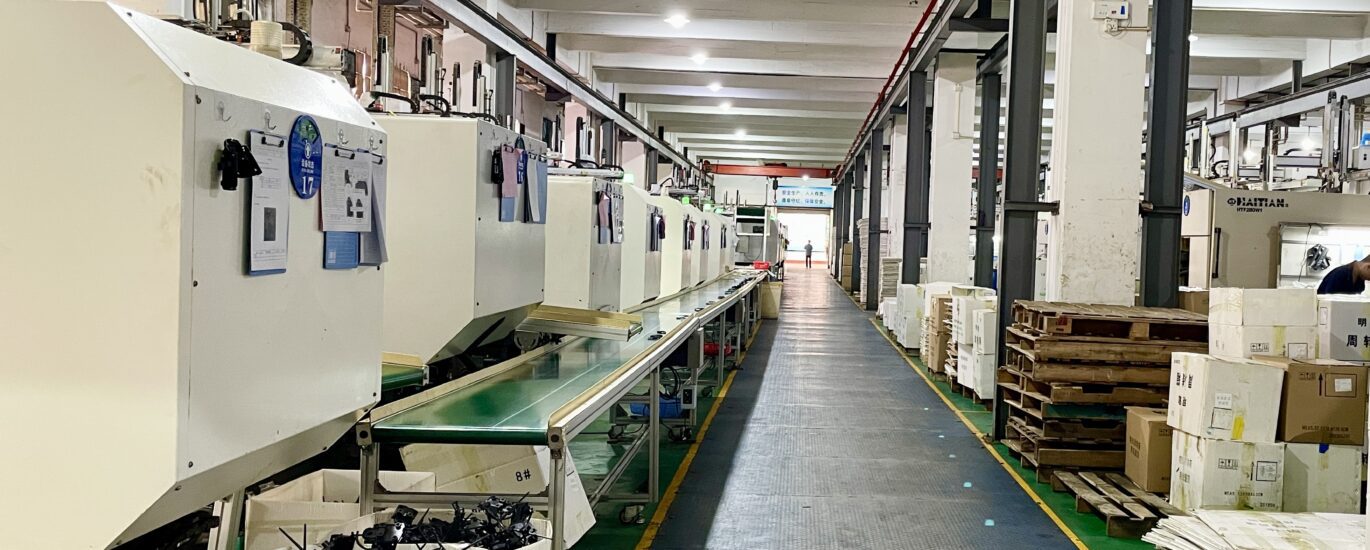
Turning a plastic product idea into reliable production parts involves more than ordering a mold. Decisions made during product design, prototyping, material selection and mold engineering affect part quality, cycle time, tooling cost and long-term manufacturing stability. A coordinated development process helps identify these issues before they become expensive production problems.
PlasticNavi supports customers from early product information through design and prototyping, mold engineering and tooling, custom plastic injection molding, assembly and shipment preparation. The practical sequence below explains how a project can move from a sketch, sample, CAD file or prototype toward manufacturable parts.
1. Review the product before committing to tooling
The first step is to understand how the product must function, how it will be assembled and what production conditions it must withstand. Mechanical engineers review the available drawings, samples or prototypes together with the customer’s functional requirements. Part geometry, wall thickness, ribs, bosses, undercuts, interfaces and cosmetic surfaces are considered in relation to mold construction and injection molding.
This early engineering review is especially important when a product is still developing. A structure that performs well in a prototype may require adjustment for stable molding. Practical feedback at this stage can improve manufacturability while preserving the customer’s design intent and controlling tooling costs.
2. Use prototypes to validate function and material choices
A functional prototype allows the team to evaluate fit, assembly, appearance and basic performance before investing in production tooling. Depending on the project, prototypes may be produced by 3D printing, CNC machining or rapid prototyping methods.
Prototype testing can also support material evaluation. Strength, durability, surface appearance, color requirements, chemical exposure and long-term cost should be considered together. The most suitable resin is not always the material with the highest specification; it is the material that meets the product’s real operating requirements and can be processed consistently.
3. Complete DFM before mold design
Design for manufacturability, or DFM, connects the product design with the mold and molding process. Before mold design is finalized, the engineering team reviews draft angles, wall consistency, expected shrinkage, gate strategy, ejection, venting, cooling and the treatment of undercuts or moving actions.
The review should also confirm the position and acceptable appearance of parting lines, gates and ejector marks on the finished product. These details can affect both function and cosmetics. Resolving them before steel is cut reduces avoidable modifications and creates a clearer technical basis for mold construction.
4. Engineer the mold for part quality and production efficiency
A mold must produce acceptable parts repeatedly, not only pass an initial trial. PlasticNavi’s mold designers and tooling engineers understand the injection molding process and consider cycle time and manufacturing cost while protecting part quality. Mold structure, steel selection, cavity layout, cooling, ejection and service access are reviewed according to the product and expected production volume.
The dedicated tooling operation includes high-speed and medium-speed CNC machining, EDM, wire cutting, grinding, drilling, lathes and milling equipment. Steel and mold bases are purchased from established suppliers such as LKM and MINGLEE with material certificates. Measurements are carried out through the machining process to verify dimensions before mold assembly and testing.
5. Use mold trials to solve process and dimensional issues
The first mold trial is a technical evaluation, not simply a sample-making step. The tooling and molding teams review mold operation, filling behavior, cooling, ejection, visible defects and dimensional results. Part samples are measured against the approved drawings, and findings are recorded for discussion.
When adjustments are required, the team considers whether the cause is related to product geometry, tooling, material or molding parameters. This distinction matters because changing steel without understanding the process can introduce new problems. Controlled trials and documented corrections help move the mold toward stable production conditions.
6. Establish quality controls for production
After the tool and samples are approved, production quality must be maintained through defined checks. Original plastic resin is purchased from manufacturers, official distributors or customer-approved suppliers. Incoming material control, machine setup, first-article confirmation, in-process inspection and final checks are applied according to the product requirements.
Inspection may include dimensional measurement, appearance, assembly fit and functional testing. For finished products, the control plan should reflect the features that matter to the customer rather than relying only on general visual inspection. Clear acceptance criteria make communication faster when a deviation is found.
7. Keep molding, secondary work and shipment coordinated
Many plastic products require more than molded parts. Assembly, painting, plating, surface treatment, electronics, packaging materials and other purchased components may need to be coordinated with production. Keeping these activities under one project management process helps the team follow timing, sample approvals, quality status and shipment preparation.
PlasticNavi can support assembly, finishing and packaging as part of the complete project. Customers receive a practical path from development samples to tooling, molded parts and production-ready products without separating every technical question among unrelated suppliers.
What information should a customer prepare?
A complete specification is useful, but it is not required for the first engineering discussion. Customers can begin with a sketch, product sample, 2D drawing, 3D CAD file, prototype or an existing product that needs improvement. Helpful information includes the intended function, target material if known, expected annual quantity, cosmetic requirements, critical dimensions, testing standards and the preferred project schedule.
Providing this information allows the team to identify the next practical step and prepare more relevant technical questions. To discuss a new product, mold or injection molding program, contact PlasticNavi with the information currently available.
