

PRODUCT DEVELOPMENT, TOOLING AND MANUFACTURING
Turn Your Product Idea Into a Manufacturable Product
PlasticNavi supports custom plastic product development from an early idea, sketch or existing design through product engineering, prototypes, injection mold tooling, production, assembly, packaging and shipment.
START WITH WHAT YOU HAVE
You Do Not Need a Finished Manufacturing Package to Start
Begin with whatever information is available. We will review the project stage, identify what is missing and recommend the next practical step.
A Written Product Idea or Hand Sketch
Share the intended use, key features and any important size or appearance requirements.
Reference Photos or an Existing Product
Show the functions, details or user experience you want to reproduce, change or improve.
A Handmade Sample or Appearance Model
Use a physical sample to explain shape, scale, assembly or how the product should be handled.
2D Drawings, 3D CAD or STEP Files
Provide the files available so the team can review structure, dimensions and manufacturability.
A Functional Prototype That Needs Improvement
Identify issues found during testing and review the design before tooling or another prototype round.
An Existing Mold or Production Project That Needs Review
Discuss tooling, material, quality, assembly or production problems that need practical correction.
You do not need to purchase every service or commit to tooling before the project has been reviewed. The next step should match the current stage of the product.
Tell Us About Your ProjectHOW THE PROJECT MOVES FORWARD
One Coordinated Path From Idea to Delivery
Each project follows the stages that are appropriate for its current level of development. Engineering and manufacturing decisions are reviewed together to reduce avoidable changes later.
Product Development — Steps 1–4
Project Discovery and Confidentiality
Share the product idea, available files, target use and current challenges. Confidentiality can be addressed before detailed information is exchanged.
Requirements and Feasibility Review
Clarify functions, materials, appearance, expected quantities, testing needs and the main technical risks.
Product Engineering
Improve the part structure, material choice, assembly method and manufacturing approach.
Prototype Development and Testing
Select a suitable prototype process and evaluate fit, function, appearance and user interaction.
Manufacturing — Steps 5–8
DFM and Tooling Review
Confirm draft angles, wall thickness, parting lines, gates, ejection and the most practical tooling strategy.
Mold Engineering and Validation
Build, test and refine the mold until samples meet the agreed project requirements.
Pilot Production and Quality Approval
Verify process settings, finishing, assembly, inspection criteria and packaging before repeat production.
Production, Assembly, Packaging and Delivery
Coordinate manufacturing and downstream work through final inspection and shipment.
CORE CAPABILITIES
Engineering and Manufacturing Support at Every Stage
Use one service or connect several stages under one coordinated project. The scope is based on what the product needs before the next commitment.
 Product design and engineering
Product Design & Engineering
Develop or improve product structures with materials, assembly, tooling and production in mind.
Explore Design & Prototyping → CNC-machined prototypes
Prototyping
Use 3D printing, CNC machining or another suitable process to evaluate appearance, fit and function.
Explore Prototyping →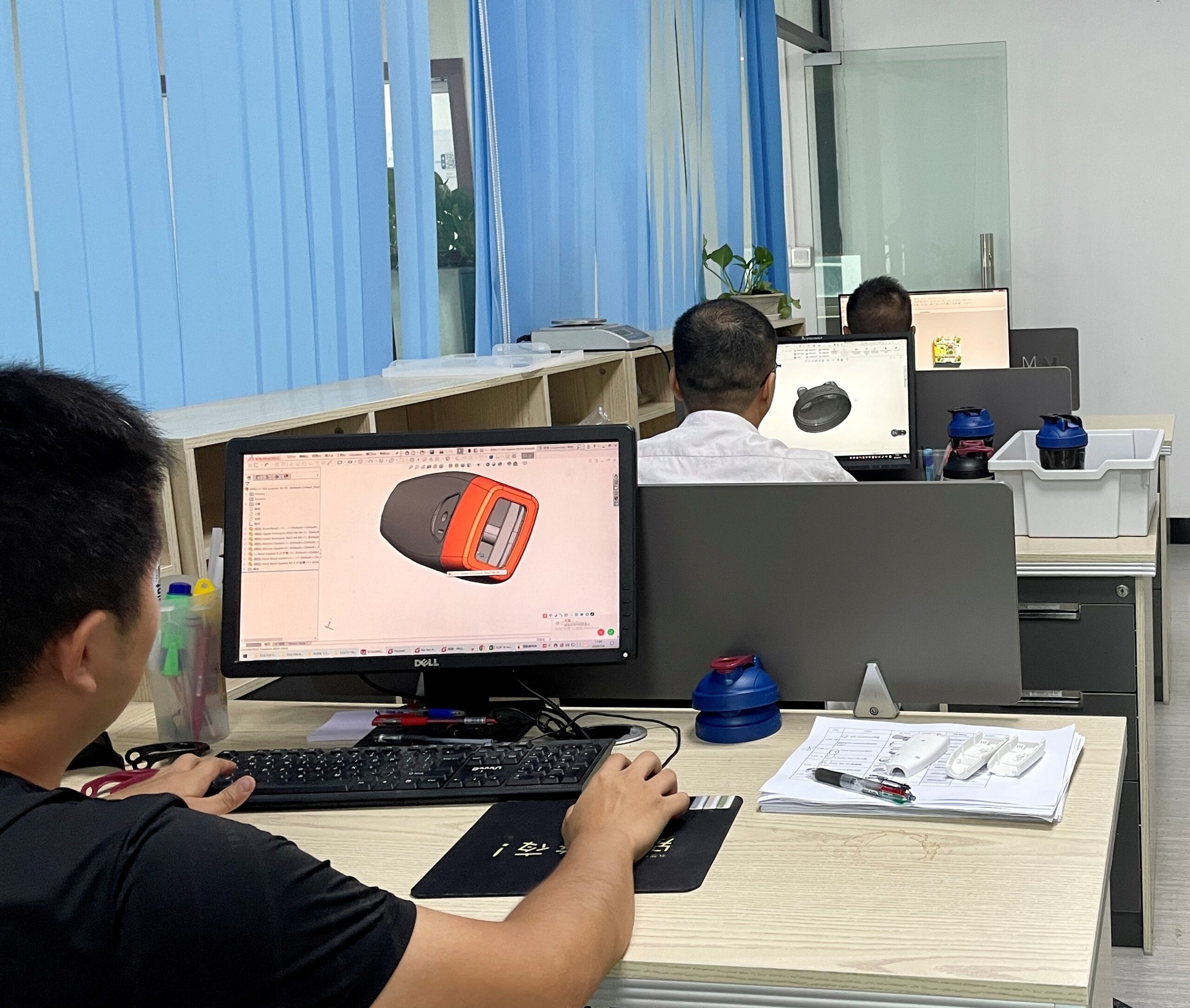 Product engineering analysis
DFM & Material Selection
Review manufacturability, part geometry and material performance before production tooling.
Review Your Product Design →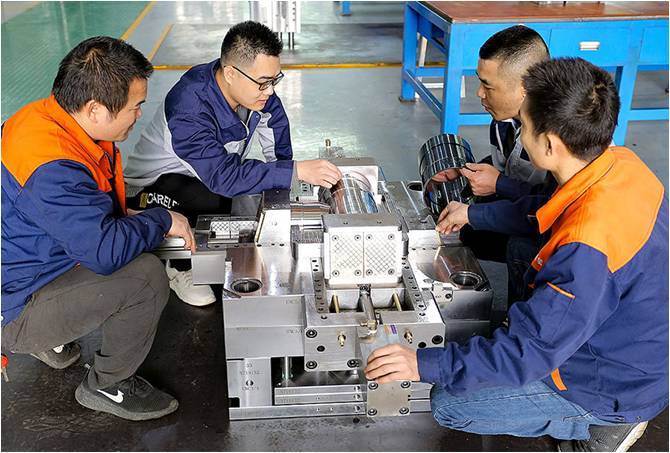 Injection mold engineering review
Mold Engineering & Tooling
Translate the approved design into a mold solution, then build, test and refine the tool.
Explore Mold Engineering →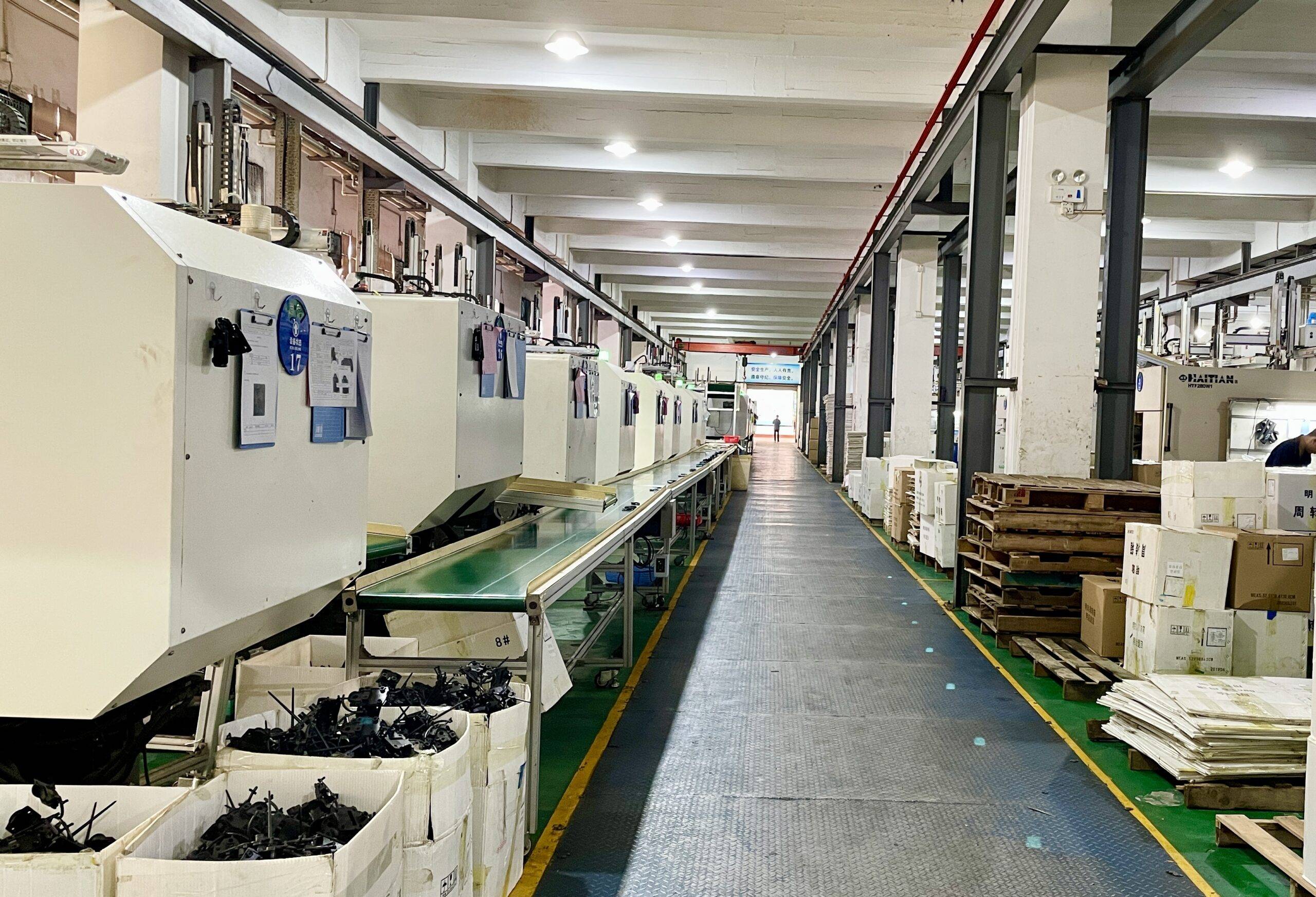 Injection molding workshop
Plastic Injection Molding
Plan and produce custom molded parts with process control and project-specific inspection requirements.
Explore Injection Molding →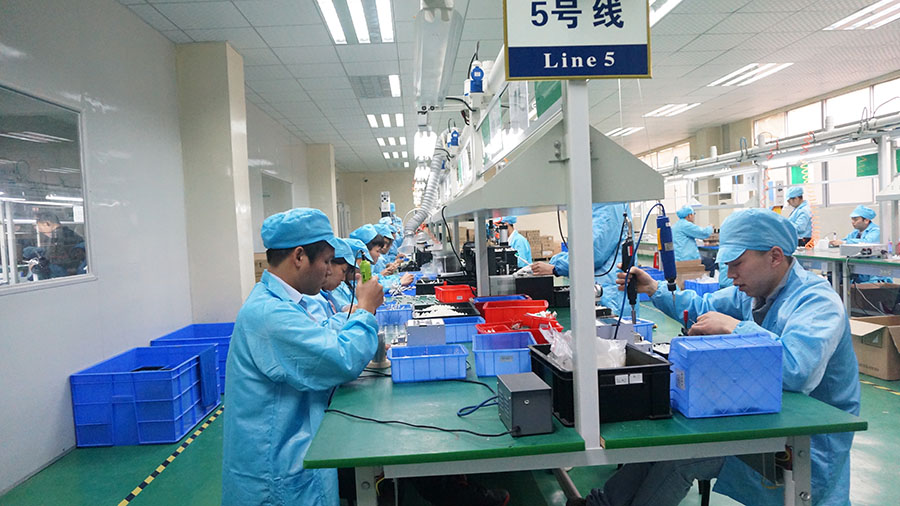 Product assembly line
Assembly, Packaging & Delivery
Coordinate finishing, welding, assembly, testing, packaging and shipment preparation.
Explore Assembly & Packaging →SELECTED PROJECT EXPERIENCE
Real Product Development and Manufacturing Work
These examples show how customers approached PlasticNavi with product requirements, samples or technical challenges, and how the work moved through engineering, tooling and production support.
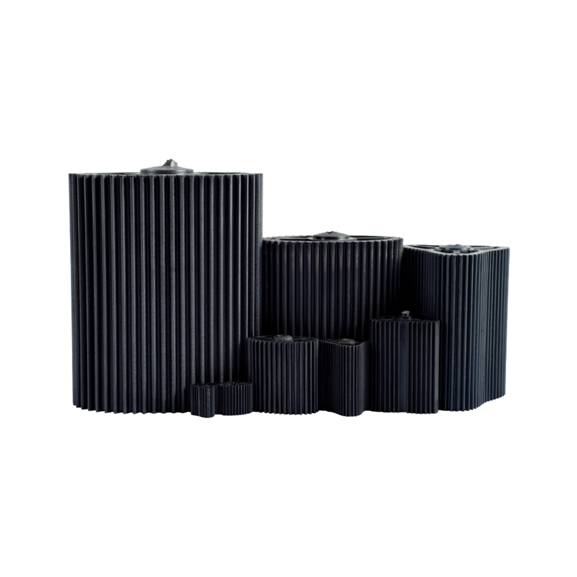
Precision Rotors, Gears and Engineering Components
A project requiring controlled dimensions, material performance and coordination between tooling, molding and inspection.
View Project →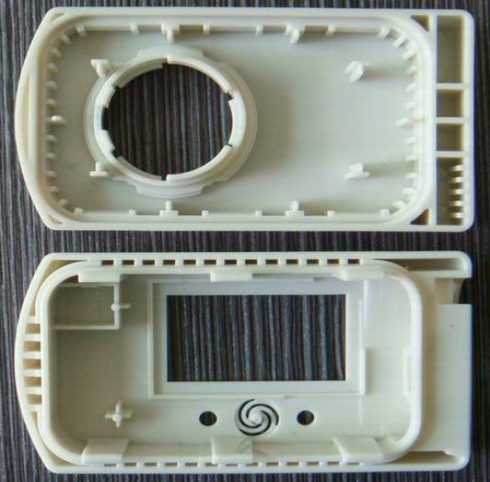
Custom Temperature Sensor Components
A product development and production project involving molded components, fit, assembly and repeatable quality requirements.
View Project →
Premium Dispenser Development
A product requiring structure development, prototype review, tooling, molded parts and downstream assembly coordination.
View Project →FREQUENTLY ASKED QUESTIONS
Questions Before Starting a Custom Plastic Product Project
Can you start with only a product idea or sketch?
Yes. You can begin with a written description, sketch, reference product or other early information. We will review what is available, identify the missing decisions and discuss the most practical next step.
Do I need completed CAD files before contacting PlasticNavi?
No. Completed CAD files are helpful when they exist, but they are not required for an initial discussion. Projects may begin with drawings, samples, photos, prototypes or existing products that need improvement.
Can you help improve an existing product design?
Yes. The review may cover product structure, material, assembly, tooling and production concerns. The scope depends on the current files, samples and issues that need to be addressed.
Do you provide prototypes before tooling?
Yes. When a prototype is useful, the process is selected according to what needs to be tested, such as appearance, fit, function or material performance. A prototype is not required for every project, but it can reduce uncertainty before tooling.
Is there a minimum order quantity?
PlasticNavi does not apply one fixed minimum order quantity to every project. Feasible quantities depend on the mold, material, setup, production process and the current stage of the product.
How do you protect confidential product information?
Confidentiality can be discussed before detailed files are shared. Project information should be limited to the people and suppliers involved in the required work.
What should I send for an initial review?
Send a short product description and any available sketches, photos, samples, CAD files, prototype information, target quantity, material preferences and current technical concerns. It is acceptable if some information is not yet available.
START YOUR PROJECT
Not Sure Whether Your Product Is Ready for Manufacturing?
Send a sketch, photo, CAD file, sample or short description. We will review the current project stage and discuss the most practical next step.